Two Families Covered
Spindle taper arbors for machining centres and DIN 69880 VDI bars for lathe turrets
Every Size Listed
BT30, BT40, BT50, HSK50A, HSK63 and VDI30, VDI40, VDI50
15 Working Days
One honest lead time across the whole range, printed against every bar
Free UK Delivery
Tracked delivery on all UK mainland orders, no postage charge
Built for the Job
Ground steel bars with serrated shanks and locating flanges that actually fit the pocket
Honest Specs
Every accuracy figure and certificate on this page is one the supplier publishes
Why You Should Check Machine Alignment
A spindle that is out of true does not announce itself. It cuts, it sounds normal, and it will produce good parts all afternoon — then quietly start producing work that is out of tolerance, or a tool that breaks two minutes into a cut. Alignment problems are cheap to measure and expensive to ignore. Here is what a test bar actually proves.
Taper Runout Costs You Tooling and Finish
If the spindle nose is not concentric with the spindle axis, the tool is cutting on one side. That gives uneven cutting forces, poor surface finish, rapid edge wear and — on small-diameter tools — snapped carbide. The same bar that shows the runout will show you whether the taper itself is dirty, nicked or distorted.
Reading at the Nose and at 300 mm Tells You Which Fault It Is
Measure at the spindle nose, then again at the far end of the bar. If the reading grows in proportion to distance, the spindle axis is off and the bearings or the head mount are the problem. If the reading is the same at both ends, the error is in the taper seat itself — dirt, a burr or a damaged cone. One bar, two measurements, a specific fault.
Crashes Need a Definitive Answer, Not a Guess
After a collision the taper may be knocked out of true, the bearings damaged, or the head shifted. A bar and an indicator give you a yes or no in minutes. Without one, shops either re-certify the machine on assumption or keep cutting on a spindle that is no longer straight.
Rotary Axis Geometry on 5-Axis Machines
On a 5-axis, a swivel head or rotary table can be out of position even when the spindle is perfect. Sweeping the bar at several head angles quantifies the B-axis and C-axis errors that put the tool centre point somewhere other than where the control thinks it is. It is the check to do after a head rebuild, a rotary service or a crash investigation.
Machine Acceptance Testing on a Used Machine
When you are buying a used machine, “it seemed fine” is worth nothing. A test bar and a dial indicator convert the seller’s claim into a measured figure you can compare against the manufacturer specification — before you commit the money.
On a Lathe, the Error Is in the Turret
A CNC lathe turret indexes to a set of pockets, and every pocket has to line up with the spindle axis. A turret that is out of alignment gives you taper on the bore, a diameter that drifts across a batch and a finish that changes between pockets. A DIN 69880 VDI bar drops into the pocket like a tool, so you can sweep the indicator along the ground cylinder and read the error directly, pocket by pocket.
Measuring with a test bar, in order
- Clean the spindle taper and the bar's shank. A fingerprint or a chip is enough to change the reading.
- Fit the bar and draw it in properly, using the taper as the datum — do not force it and do not leave it loose.
- Set a dial indicator on the bar at the spindle nose. Zero it there.
- Rotate the spindle by hand through a full revolution and read the total indicator run. That is your figure.
- Move the indicator out to the end of the bar, zero again, and repeat. Compare the two readings to separate a taper fault from a spindle-axis fault.
- Write the number down and the date. The second reading six months later is what tells you the spindle is drifting.
All Test Bars — Specifications
| Bar | Length | Notes | Lead time | Availability | Price ex VAT |
|---|---|---|---|---|---|
| BT30 spindle taper | 300 mm | 32 mm bar diameter | 15 working days | Available | £215.00 |
| BT40 spindle taper | 300 mm | Standard 40-taper arbor | 15 working days | Available | £199.85 |
| BT50 spindle taper | 300 mm | For 50-taper spindles | 15 working days | Available | £429.95 |
| HSK50A spindle taper | 250 mm | D30 bar diameter | 15 working days | Available | £325.00 |
| HSK63 spindle taper | 300 mm | For HSK63 high-speed spindles | 15 working days | Available | £540.95 |
| VDI30 turret pocket | 200 mm gauge | DIN 69880 shank | 15 working days | Available | £296.09 |
| VDI40 turret pocket | 200 mm gauge | DIN 69880 shank | 15 working days | Available | £327.29 |
| VDI50 turret pocket | 200 mm gauge | DIN 69880 shank | 15 working days | Available | £348.89 |
Prices exclude VAT. Delivery is free on all UK mainland orders. Every bar in this range is quoted at 15 working days — the same figure that appears on each product page and in your basket. The bars are supplied by our source, so that estimate covers supplier dispatch and UK delivery.
Two Different Jobs, Two Different Tools
For machining centres
Spindle taper test bars
BT and HSK taper arbors that clamp into the spindle. They check taper runout, spindle-axis concentricity and, on 5-axis machines, the geometry of the swivel head and rotary axis.
- Accuracy: ≤0.002 mm concentricity
- Material: 20CrMnTi alloy steel
- Hardness: HRC56-58°
- Treatment: cryogenically treated at approximately −196°C to relieve internal stress and stabilise the material
- Supplied with: a fitted aluminium storage case
- Checked individually before dispatch
For CNC lathes
VDI turret alignment bars
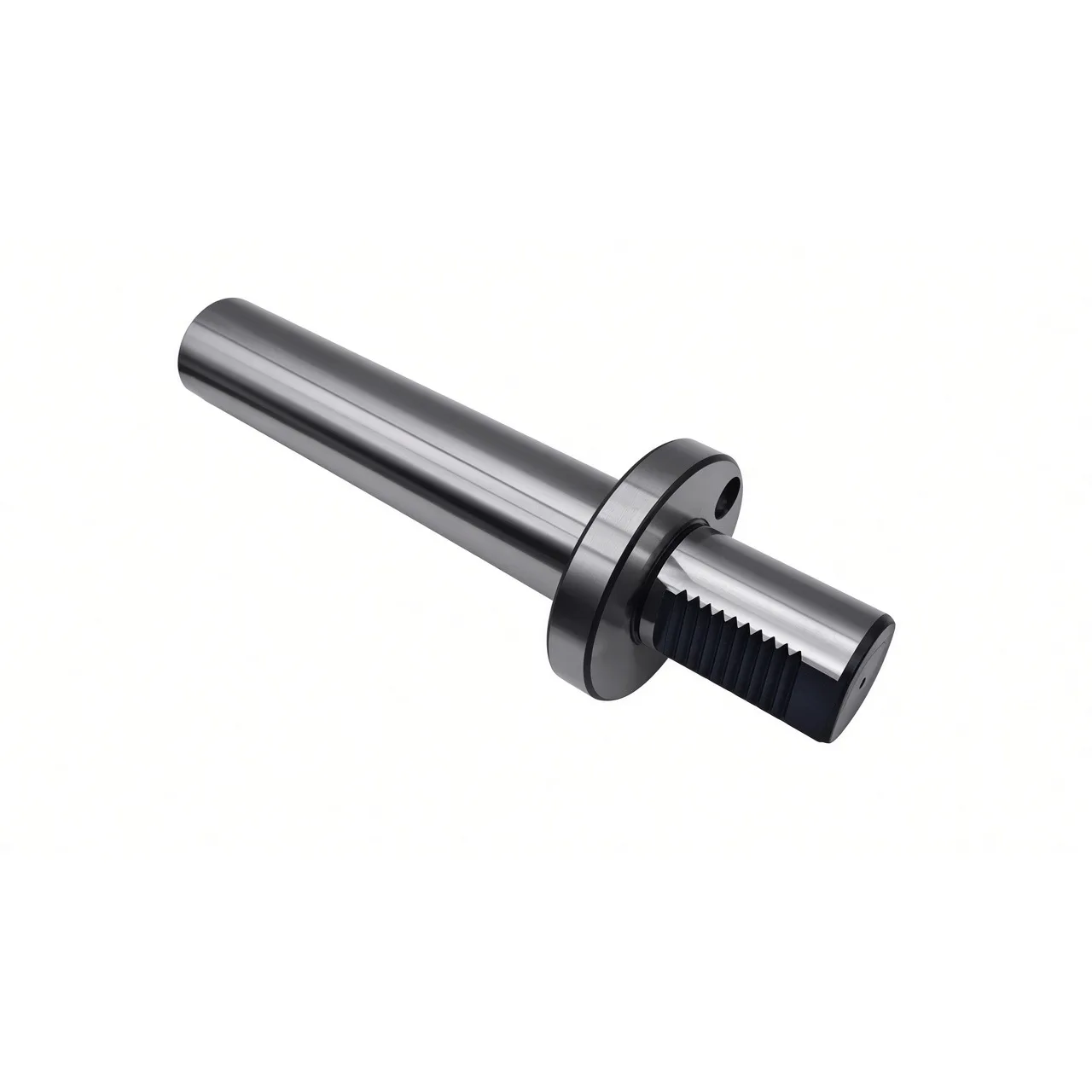
DIN 69880 (ISO 10889) arbors that drop into a lathe turret pocket like a turning tool. The ground gauge cylinder gives you a straight reference to sweep the indicator along, so you can read turret-to-spindle alignment and squareness, pocket by pocket.
- Interface: VDI30, VDI40 or VDI50 shank to DIN 69880 / ISO 10889
- Gauge: Ø40 mm cylinder, 200 mm gauge length
- Features: serrated drive shank, locating flange, centre-drilled end
- Finish: precision-ground steel
- Supplied as: the bar alone — no storage case
- Accuracy: the manufacturer publishes no runout figure for this bar and supplies no calibration certificate, so we quote none. It is an alignment reference, not a certified instrument.
Test Bars In Stock
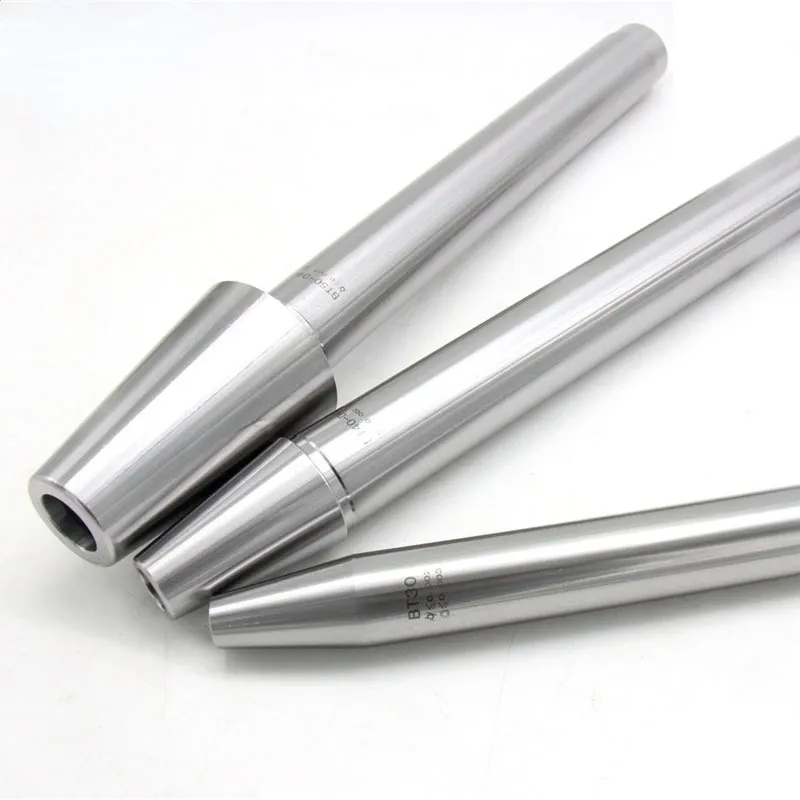
Spindle Taper Test Bars
BT and HSK tapers for machining centres and 5-axis machines
VDI Lathe Turret Alignment Bars
DIN 69880 arbors for CNC lathe turret pockets
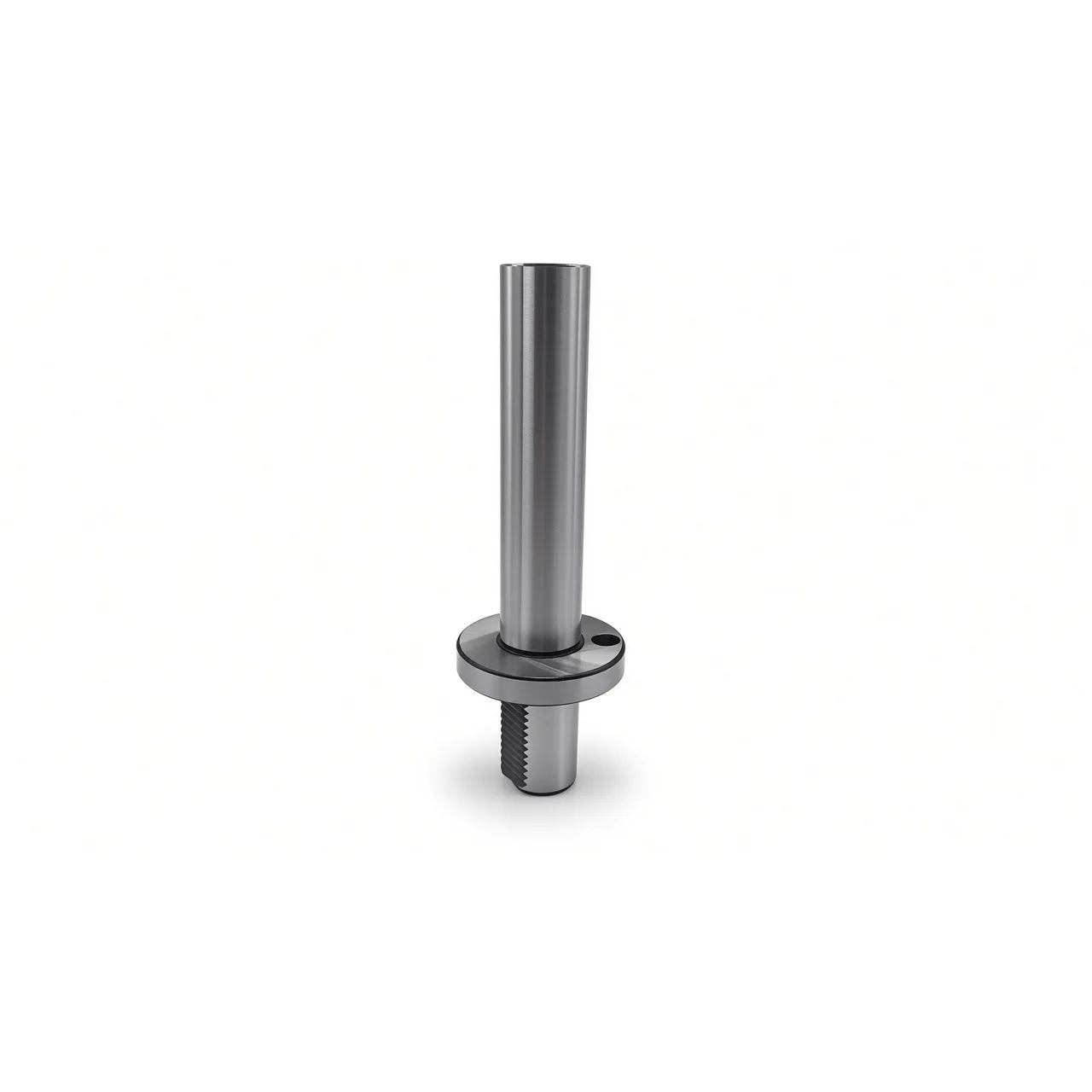
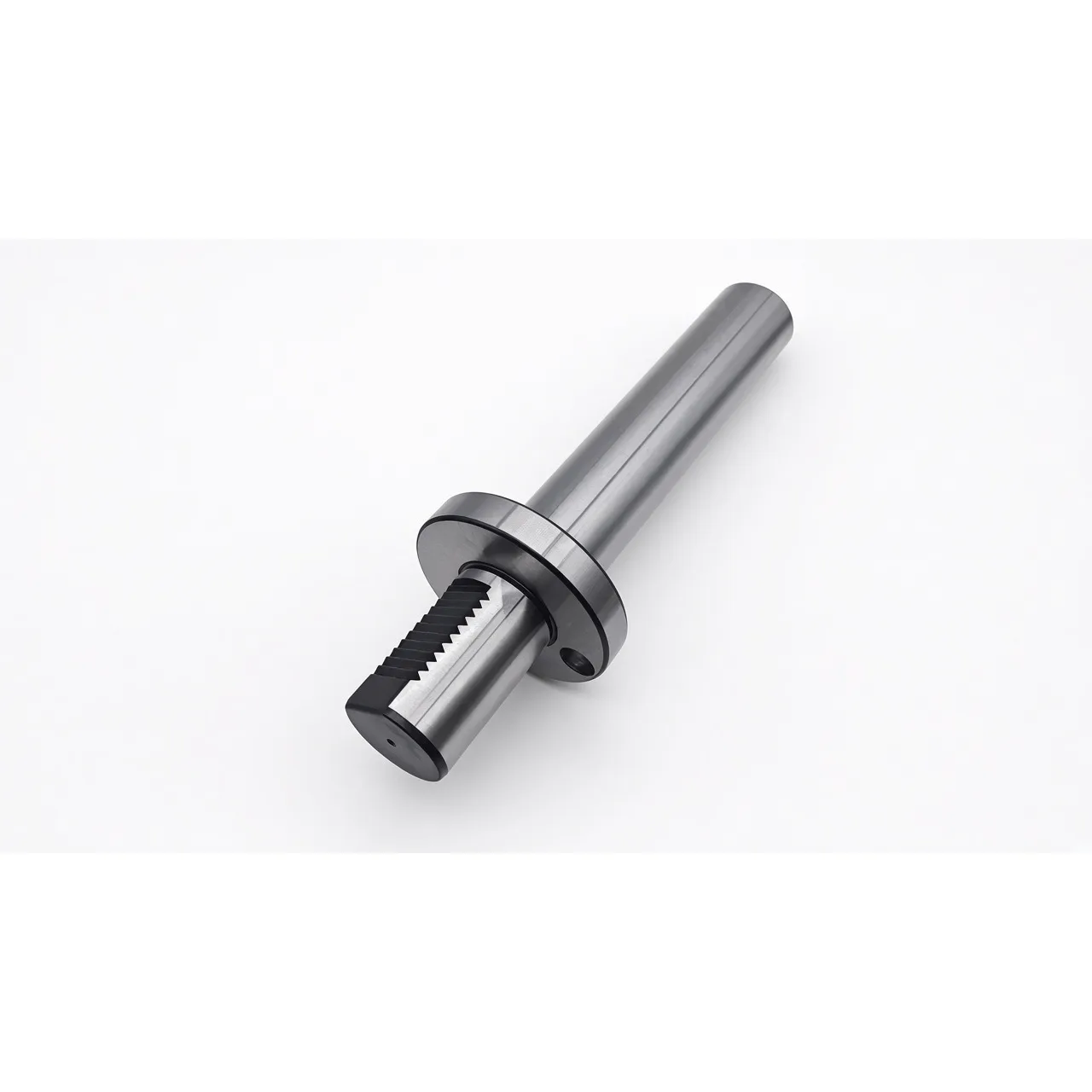
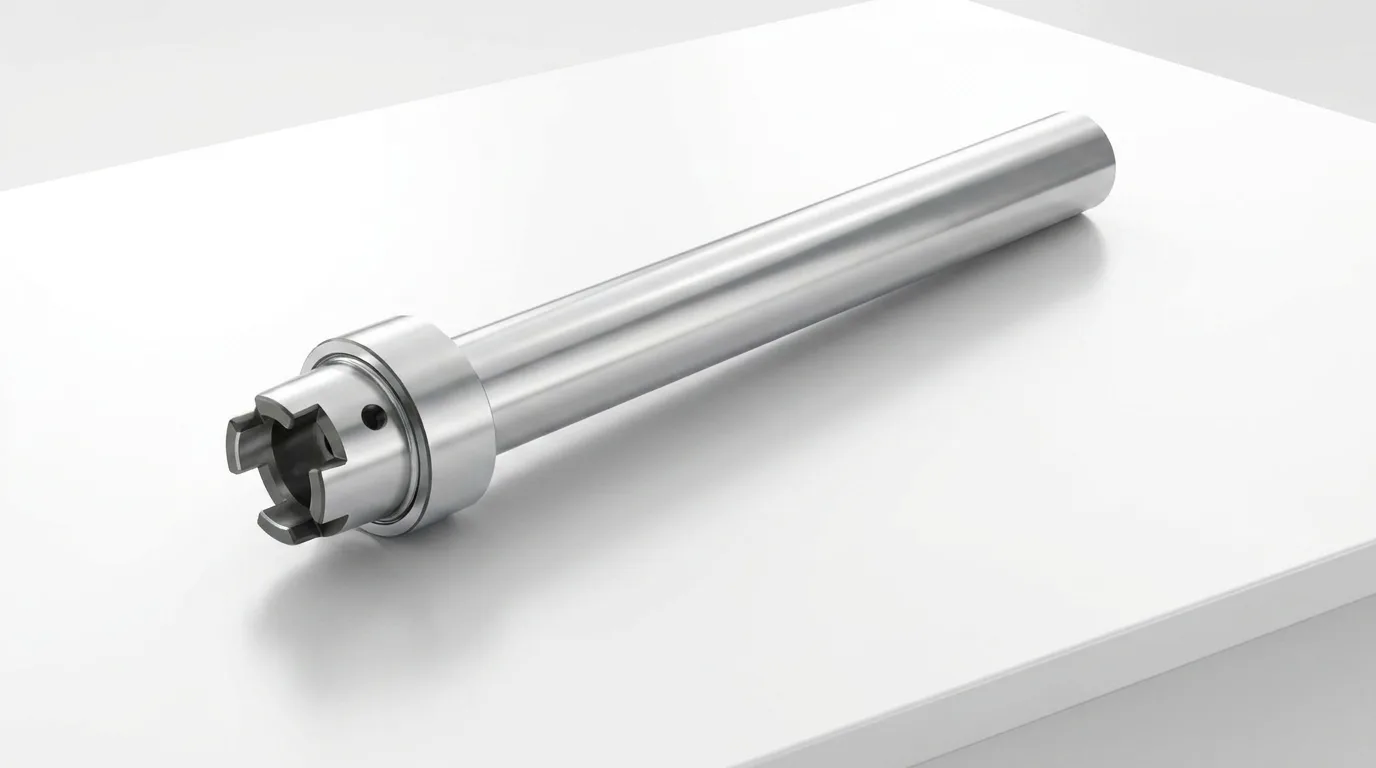
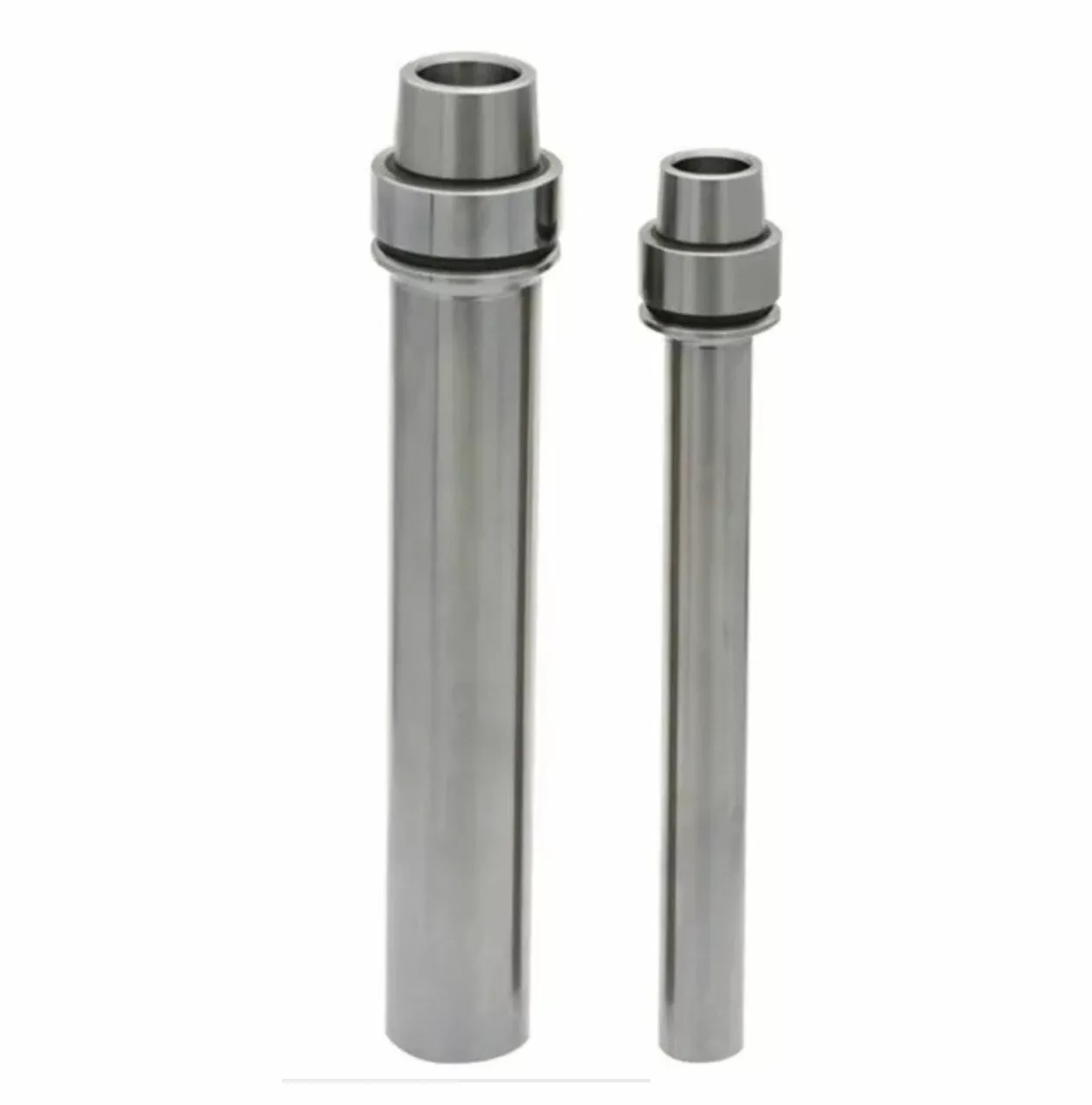
A note on the photographs: the BT30, BT40 and BT50 listings share the supplier's photograph of the three-bar set, where the size is etched on the body of each bar. The HSK63 photograph shows a pair of HSK bars. Every product page carries its own picture and its own specification — check the size code on the bar itself against your spindle when the order arrives.
Frequently Asked Questions
What is a CNC test bar used for?
It is a known-good reference that you fit to the machine and sweep with a dial indicator. On a machining centre it clamps into the spindle taper and measures taper runout, spindle-axis concentricity and — on 5-axis machines — the alignment of the swivel head and rotary axis. On a lathe it drops into the turret pocket and measures how well that turret lines up with the spindle axis.
Do I need a spindle taper bar or a VDI turret bar?
If your machine is a machining centre, you want a BT or HSK taper bar matched to your spindle. If it is a CNC lathe with a DIN 69880 turret, you want a VDI bar in the size of your pocket — VDI30, VDI40 or VDI50. They are different tools for different axes and they are not interchangeable.
How do I know which taper or VDI size I need?
For a spindle, check the taper marking on the spindle nose or the machine manual — BT30, BT40, BT50, HSK50A, HSK63. For a lathe turret, the VDI size is the shank diameter, and it is normally stamped on the tool holder you already use: the number on the shank is the VDI size. If you are unsure, send us the machine model or a photo of the tool holder and we will tell you.
How do I actually take the measurement?
Clean the taper, fit the bar, set the indicator on the bar at the spindle nose and zero it. Rotate the spindle by hand one full revolution and read the total indicator run. Then move the indicator to the far end of the bar, zero and repeat. If the runout grows with distance the spindle axis is off; if it stays the same the fault is in the taper seat itself.
What accuracy do the spindle test bars have?
The BT and HSK bars are specified at ≤0.002 mm concentricity, in 20CrMnTi alloy steel at HRC56-58°, cryogenically treated at about −196°C, and each one is individually inspected before dispatch. They come with a fitted aluminium storage case.
Do the VDI lathe bars come with a certificate or a stated accuracy?
No, and we will not invent one. The manufacturer of the VDI bars publishes no runout or accuracy figure and supplies no calibration certificate, so the product pages say exactly that. They are a precision-ground alignment reference in DIN 69880 steel with a Ø40 × 200 mm gauge cylinder — right for checking turret alignment and squareness. If you need a certified bar with a documented accuracy figure for acceptance testing, buy the certificated spindle bar, or ask us about the certified trade equivalents (Kintek and Gedema both supply them with a calibration certificate and case).
How long does delivery take?
Every bar in this range is quoted at 15 working days, and that is the figure shown on the product page and carried into your basket. These bars are bought in from our source, so the estimate covers supplier dispatch and UK delivery rather than just the courier leg. Delivery is free on all UK mainland orders.
Can you source a different taper, size or length?
Yes. We can source CAT40, CAT50, HSK100, other VDI sizes and custom lengths — tell us the machine, the taper and the length you need and we will come back with what is available and what it costs.
Need a Taper, Size or Length We Don't List?
CAT40, CAT50, HSK100, other VDI sizes and custom lengths can all be sourced. Send us the machine model and the measurement you need.
Contact Us →